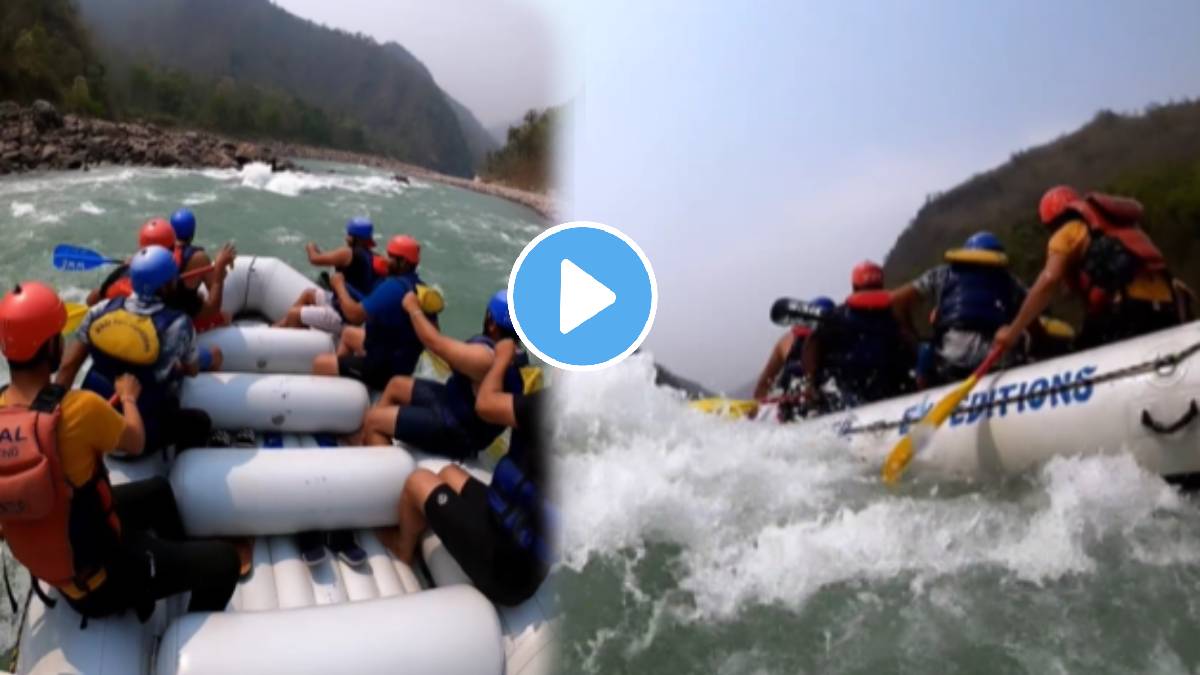
Why River Rafting in Rishikesh is Closed: An Expert’s Perspective
Having navigated the rapids of the Ganga in Rishikesh for over 15 years, I’ve seen firsthand the dynamic nature of this incredible sport. One question I frequently get asked, especially by eager tourists planning their trip, is why river rafting activities are periodically closed. It’s a common occurrence, and understanding the underlying reasons is crucial for both safety and trip planning.
The Monsoon’s Fury: Safety First, Always
The primary reason for seasonal closures in Rishikesh boils down to the monsoon. From roughly July to mid-September, the Ganga river transforms dramatically. The water level can surge by several meters in just a few hours due to heavy rainfall in the upper Himalayas and local downpours. This isn’t just about faster rapids; it’s about vastly increased volume, powerful currents that can pull even experienced swimmers under, and a dangerous influx of debris like logs and rocks.
I recall one particular season when an unexpected cloudburst turned a grade III rapid into a raging, unnavigable torrent overnight. We had guests scheduled, but there was simply no way to guarantee their safety. It’s not about being overly cautious; it’s about respecting the sheer power of nature. Government authorities, through departments like the Uttarakhand Tourism Development Board (UTDB) and local administration, issue official closure orders during this period, and any operator running trips would be violating critical safety protocols.

Water Levels and River Health: A Delicate Balance
Beyond the monsoon, water levels can dictate operational status in other seasons too, albeit less frequently. While high water during monsoons is dangerous, extremely low water, typically during peak dry spells in late spring before the monsoon, can also render some stretches unraftable. The rapids might disappear, exposing rocky sections that pose a risk of impact and damage to rafts and oars. More importantly, these low water periods can stress the river’s ecosystem, and sustained rafting traffic might exacerbate environmental concerns.
Furthermore, government regulations aren’t just about immediate safety; they often incorporate broader environmental considerations. Over the years, I’ve seen increasing awareness and legislation aimed at preserving the Ganga’s sanctity and ecological balance. Sometimes, temporary closures might be enacted for specific river cleaning drives, ecological surveys, or even to allow the river certain periods of undisturbed flow to recover from heavy tourist footfall. A common mistake beginners make is assuming if the weather looks clear, the river must be open. They fail to check official advisories, leading to disappointment and wasted travel.
Regulatory Compliance and Operational Standards
The rafting industry in Rishikesh is regulated by a framework designed to ensure safety and ethical operations. This includes mandating proper safety equipment, certified guides, and adherence to designated operational windows. Operators found flouting these rules face severe penalties, including license suspension.
For instance, every guide needs to be certified, often through institutions recognized by adventure sports federations. Their training includes advanced swiftwater rescue, first aid, and intimate knowledge of the river’s sections. Beyond seasonal closures, individual operators might also halt operations due to equipment maintenance, staff training, or unforeseen local events. I always advise tourists to book with reputable, licensed operators who prioritize safety and compliance above all else, rather than chasing the cheapest deal, which often cuts corners.
Comparison of Rafting Seasons & Conditions
| Season | Typical Rafting Status | Water Levels & Conditions | Common Concerns |
|---|---|---|---|
| Post-Monsoon (Oct-Dec) | Open (Peak Season) | Moderate to high, clear water, thrilling rapids. | Crowds, booking availability, slightly colder water later in season. |
| Winter (Jan-Feb) | Open (Moderate Season) | Lower water levels, calmer sections, very cold water. | Requires full wetsuits, shorter daylight hours, fewer extreme rapids. |
| Spring (Mar-Jun) | Open (Peak Season) | Rising water levels, good rapids, pleasant weather. | Can get crowded, pre-monsoon heat, potential for early closures if monsoon starts early. |
| Monsoon (Jul-Sep) | CLOSED (Official Closure) | Extremely high, turbulent, muddy water, dangerous debris. | Extreme danger, governmental safety regulations. |
Pro Tips for Planning Your Rishikesh Rafting Trip:
- Always Check Official Advisories: Before booking flights or accommodations, verify the current rafting status with the Uttarakhand Tourism Development Board (UTDB) or reputable local tour operators. Don’t rely solely on weather forecasts; official closure orders are key.
- Book with Licensed Operators: Ensure your chosen outfitter is government-licensed and has a strong safety record. Ask about their guides’ certifications and safety equipment. A quick online search for reviews can reveal a lot about their operational standards.
- Understand the Seasons: Plan your trip for the post-monsoon (October-December) or spring (March-June) periods for the best experience. If visiting during winter, be prepared for colder water and dress appropriately.