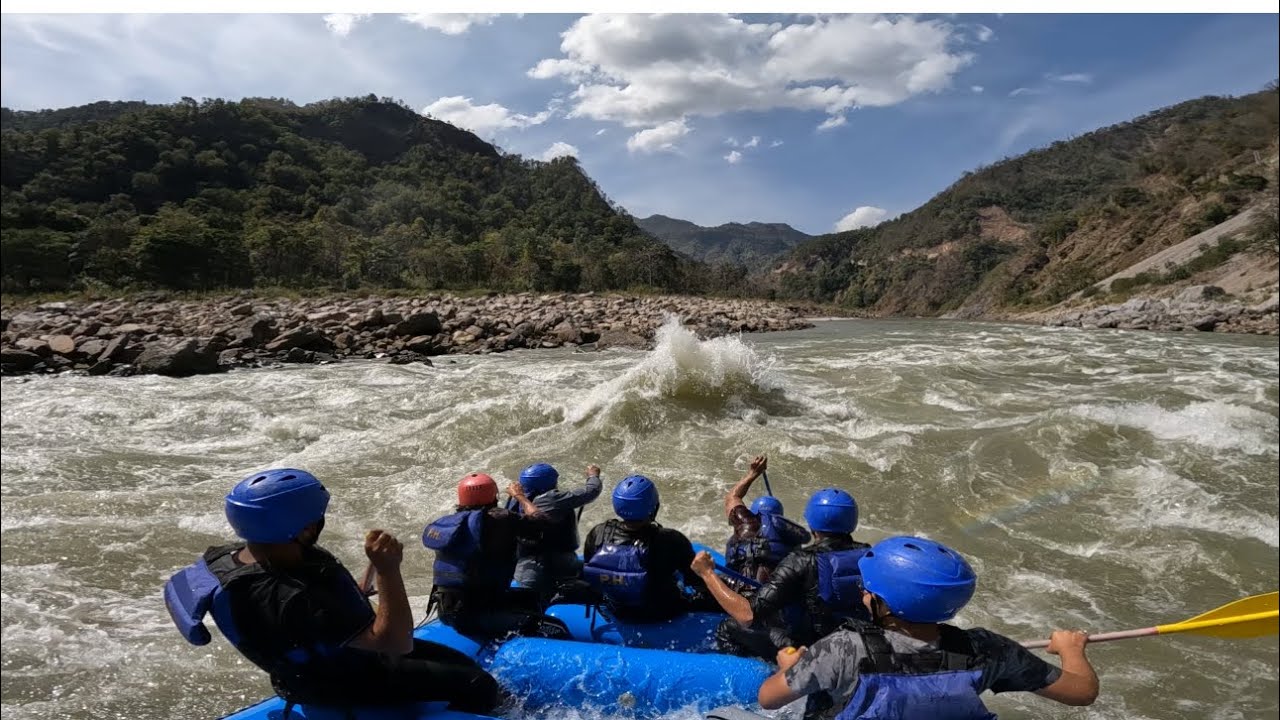
Evaluating Rishikesh River Rafting: A Risk-Benefit Framework
Embarking on adventure travel, such as river rafting in Rishikesh, presents an exciting opportunity for thrill and unique experiences. However, like any significant decision, it requires a clear-eyed assessment of potential risks against the anticipated benefits. This analysis aims to equip individuals and organizations with the strategic tools necessary to make an informed choice, transforming uncertainty into a calculated decision.
Understanding the Rishikesh Rafting Landscape & Inherent Risks
Rishikesh offers exhilarating white-water rafting on the Ganges, with rapids from Grade I to IV. This popularity brings thousands, but also necessitates acknowledging inherent risks. Key factors include fluctuating river conditions from rainfall or dam releases, which can intensify rapids. The force of water, combined with underwater obstacles, poses physical hazards. Equipment integrity is paramount; malfunctions can escalate incidents. Human error, from inexperienced guides or non-compliant participants, significantly amplifies danger. Furthermore, remote sections can delay emergency medical response. Understanding these intrinsic elements forms the bedrock of responsible risk assessment.

Mitigating Risks and Enhancing Safety Protocols
Proactive risk mitigation is imperative for a safe rafting experience. Reputable operators employ highly trained, certified guides with extensive river knowledge and swift-water rescue techniques. Equipment quality is critical, requiring well-maintained, high-grade life jackets, helmets, paddles, and rafts meeting international standards, with regular inspections. Participants must also conduct due diligence, researching operator reviews and certifications. Active listening during safety briefings and strict adherence to guide instructions are vital. Physical fitness and basic swimming ability are often prerequisites; honesty about capabilities and medical conditions is crucial. For larger operations, this translates into meticulous vendor selection processes, ensuring operators exceed industry best practices in safety training and emergency preparedness. Comprehensive insurance, for both participants and operators, provides a financial buffer against incidents, covering medical emergencies and potential liability, thus protecting personal wellbeing and business continuity.
The Strategic Value Proposition: Benefits and Decision Frameworks
Beyond risks, river rafting offers multifaceted benefits for personal enjoyment or commercial offerings. For individuals, the thrill, nature immersion, and sense of accomplishment foster personal growth and stress relief. It’s a powerful team-building activity, enhancing communication and problem-solving. Economically, Rishikesh’s tourism, driven by adventure, generates local employment and supports related services.
Strategic frameworks aid decision-making. A Cost-Benefit Analysis (CBA) evaluates financial outlay, perceived risk, and time investment against adventure, personal growth, and memories for individuals, or revenue, brand reputation, and customer loyalty for companies. A Risk Matrix, mapping likelihood against impact, prioritizes risks for targeted mitigation. For instance, low likelihood of major accidents but catastrophically high impact dictates robust emergency plans. Scenario Planning prepares for eventualities (e.g., unusual river levels, guide illness) by outlining best-case, probable, and worst-case outcomes, developing contingency plans for resilience. Applying these frameworks transforms subjective desire into data-driven, risk-managed choices, moving beyond ‘is it dangerous?’ to ‘how dangerous, and what are we doing to maximize return on experience (ROE) or return on investment (ROI)?’
Scale and Impact: Personal vs. Commercial Operations
Decision-making for rafting safety varies significantly between personal trips and commercial operations. For individual travelers, the focus is personal safety, maximizing enjoyment, and aligning with budget. The “ROI” is largely subjective: quality of memories, personal challenge, and satisfaction. Decisions involve selecting a reputable operator and ensuring personal readiness. Risk assessment leans on individual comfort and operator expertise.
For tour operators or corporate planners, the stakes are higher, with a more complex framework. “ROI” is quantifiable, encompassing financial returns, brand reputation, and customer retention. Liability management is paramount, requiring comprehensive insurance and detailed waivers. Vendor selection involves rigorous vetting of rafting companies based on safety certifications and emergency capabilities. Operational risk management extends to supply chain integrity. Large-scale operations demand advanced planning, dedicated risk managers, and comprehensive emergency action plans. Investing in superior safety, experienced personnel, and thorough planning isn’t just an expense; it’s a strategic investment safeguarding brand, client satisfaction, and long-term viability.
| Option | Risk/Safety Snapshot | Cost | Key Benefit |
|---|---|---|---|
| Budget / Unregulated | Higher risk (equipment, guide experience). Minimal safety protocols. | Lowest | Cheapest entry point; basic activity. |
| Standard / Reputable | Moderate risk; certified guides, good equipment, standard safety. | Mid-range | Reliable safety; balanced thrill and security. |
| Premium / Specialized | Lowest risk; highly certified guides, top-tier equipment, advanced protocols. | Highest | Exceptional safety; personalized, exclusive experience. |
- Operator Vetting: Choose operators with certified guides, strong safety records, and positive reviews.
- Equipment Check: Verify life jackets, helmets, and rafts are well-maintained and fit correctly.
- Assess Personal Fitness: Be honest about your swimming ability and physical condition; select a suitable trip grade.
- Follow Guide Instructions: Adhere strictly to safety briefings and all commands from your raft guide.
- Comprehensive Insurance: Ensure your travel insurance explicitly covers adventure sports and medical emergencies.
- Disclose Health Info: Inform your operator of any medical conditions or allergies pre-trip.