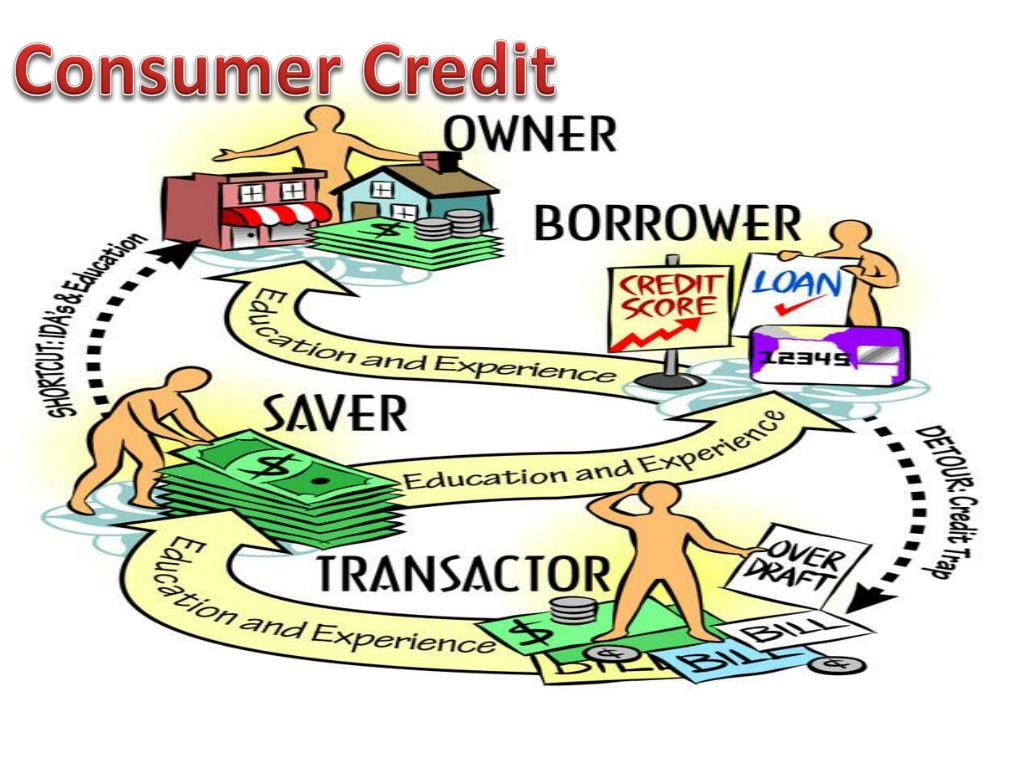
Demystifying Consumer Credit: Core Components and Impact
Consumer credit represents an individual’s capacity to borrow and repay funds, forming the bedrock of personal finance and economic activity. Lenders meticulously assess an applicant’s credit profile to determine eligibility, interest rates, and loan terms. Understanding the constituent elements of this profile is critical for effective financial management and accessing favorable credit products.
Payment History: The Foundation of Creditworthiness
Payment history is the most critical component in credit scoring models, typically accounting for 35% of a FICO score. It assesses an individual’s consistency in meeting financial obligations. On-time payments demonstrate reliability, while delinquencies increase risk significantly; a single 30-day late payment can reduce a 780 FICO score by 90-110 points, and 60-90+ day delinquencies incur 120-150+ point penalties. Adverse events such as collections or bankruptcies carry substantial long-term repercussions; collections remain for seven years, while a Chapter 7 bankruptcy can remain for ten. The trade-off between resolving an issue via negotiation versus allowing an account to go to collections distinctly favors negotiation, as collections are weighted more negatively by scoring algorithms.
Credit Utilization: Leveraging Available Capital
Credit utilization, or amounts owed, is the second most influential factor, contributing around 30% to a FICO score. It measures the ratio of revolving balances to total credit limits (e.g., $3,000 balance on $10,000 limits equals 30% utilization). Prudence dictates utilization below 30%, ideally below 10% for optimal scores. Exceeding 30% can significantly reduce scores (e.g., 720 score to 680-690 with 50% utilization). This impact is dynamic, improving swiftly as utilization decreases. A trade-off: overall low utilization is key, but high utilization on a single card, even with low aggregate, is viewed less favorably, signaling reliance rather than balanced liquidity management.

Length of Credit History: Established Financial Behavior
The length of credit history contributes approximately 15% to an individual’s FICO score. This component assesses the duration credit accounts have been established and managed, considering the age of the oldest, newest, and average age of all open accounts. Lenders prefer a longer, established history (e.g., average account age exceeding 7-10 years) for its comprehensive track record, indicating stability. Newer profiles (1-3 years average) find achieving top-tier scores more challenging due to limited data. A key trade-off occurs when opening new credit: while necessary for growth, each new account temporarily reduces the average age, potentially lowering scores short-term. Similarly, closing old, unused accounts can inadvertently shorten the average age, negatively impacting this component.
Credit Mix and New Credit: Diversification and Inquiry Impact
Credit mix and new credit applications each contribute approximately 10% to a FICO score. A diverse credit mix (revolving/installment accounts) indicates responsible management, viewed as lower risk by lenders. Hard inquiries from lender checks temporarily reduce a FICO score by 5-10 points, remaining for two years, with impact diminishing after 12 months. High recent inquiries signal financial distress. A trade-off exists for rate-shopping: for mortgages/auto/student loans, multiple inquiries within a focused timeframe (e.g., 14-45 days) are treated as a single inquiry, allowing comparison without cumulative penalties. This differs from revolving credit, where each application is a distinct hard inquiry, causing greater cumulative impact.
| Credit Account Type | Primary Function | Typical Reporting Frequency | Average Term (Years) | Impact on Credit Mix |
|---|---|---|---|---|
| Revolving Credit Card | Short-term borrowing, flexible repayment | Monthly | Indefinite (open-ended) | Establishes revolving credit behavior |
| Installment Auto Loan | Financing a vehicle purchase | Monthly | 3-7 | Adds installment credit diversity |
| Installment Mortgage | Financing real estate purchase | Monthly | 15-30 | Adds significant installment credit, long-term commitment |
| Installment Student Loan | Financing education costs | Monthly | 10-25 | Adds installment credit, often with deferred payments |
Practical Tips for Optimizing Consumer Credit
- Pay All Bills On Time: Consistency is paramount. Even minor delinquencies can significantly impact scores. Automate payments to prevent oversights.
- Maintain Low Credit Utilization: Keep revolving credit balances well below 30% of available limits, ideally below 10%. Pay down balances before statement closing dates.
- Keep Old Accounts Open: Do not close older credit card accounts, especially those with no annual fees. They contribute positively to the length of your credit history.
- Diversify Credit Responsibly: A mix of revolving and installment accounts is beneficial, but only take on new debt when financially necessary and manageable.
- Limit New Credit Applications: Apply for new credit only when needed. Be strategic with hard inquiries, especially for revolving credit.
- Regularly Monitor Credit Reports: Obtain free copies of your credit report annually from each of the three major bureaus (Experian, Equifax, TransUnion) via AnnualCreditReport.com. Dispute any errors promptly.